Wiesbaden, Germany
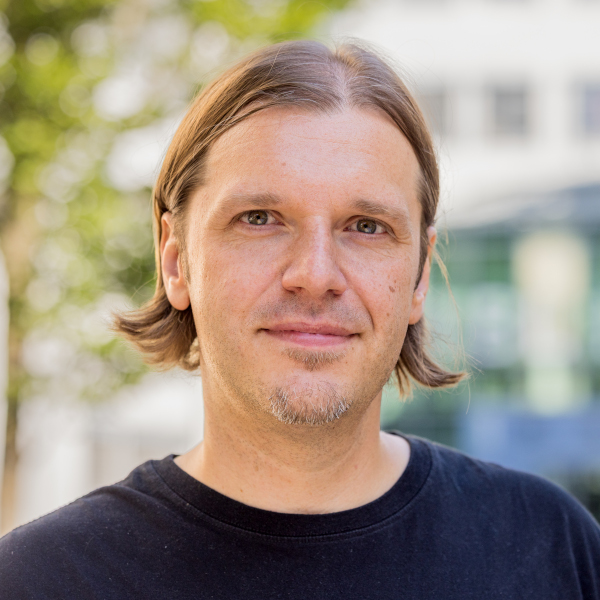
Martin Weier is a full professor for visual computing at the Hochschule RheinMain in Wiesbaden, Germany. He received his MSc in Computer Science from the Bonn-Rhein-Sieg University Sankt Augustin and his Ph.D. from Saarland University, Germany. His research interests include perception and gaze-contingent rendering where he published a series of papers that deal with perception-driven techniques and gaze-contingent ray tracing systems in head-mounted displays. Martin's other research interests include visual analytics, high-quality rendering approaches, compiler technologies, and virtual and augmented reality display systems.

Oliver Staadt is a full professor of Computer Science, Director of the Institute of Visual and Analytic Computing, and was, from 2016 to 2018, Dean of the Faculty of Computer Science and Electrical Engineering at the University of Rostock. He received a Master of Science in Computer Science and a PhD in Computer Science from TU Darmstadt and ETH Zurich, respectively. Prior to joining the University of Rostock, he was an Assistant Professor of computer science at the University of California, Davis, where he was also the director of the Virtual Reality Laboratory. His research interests include computer graphics, virtual and augmented reality, computer vision, telepresence, and visualization. He is a Fellow of Eurographics and a member of IEEE Computer Society and ACM SIGGRAPH.
New York, USA
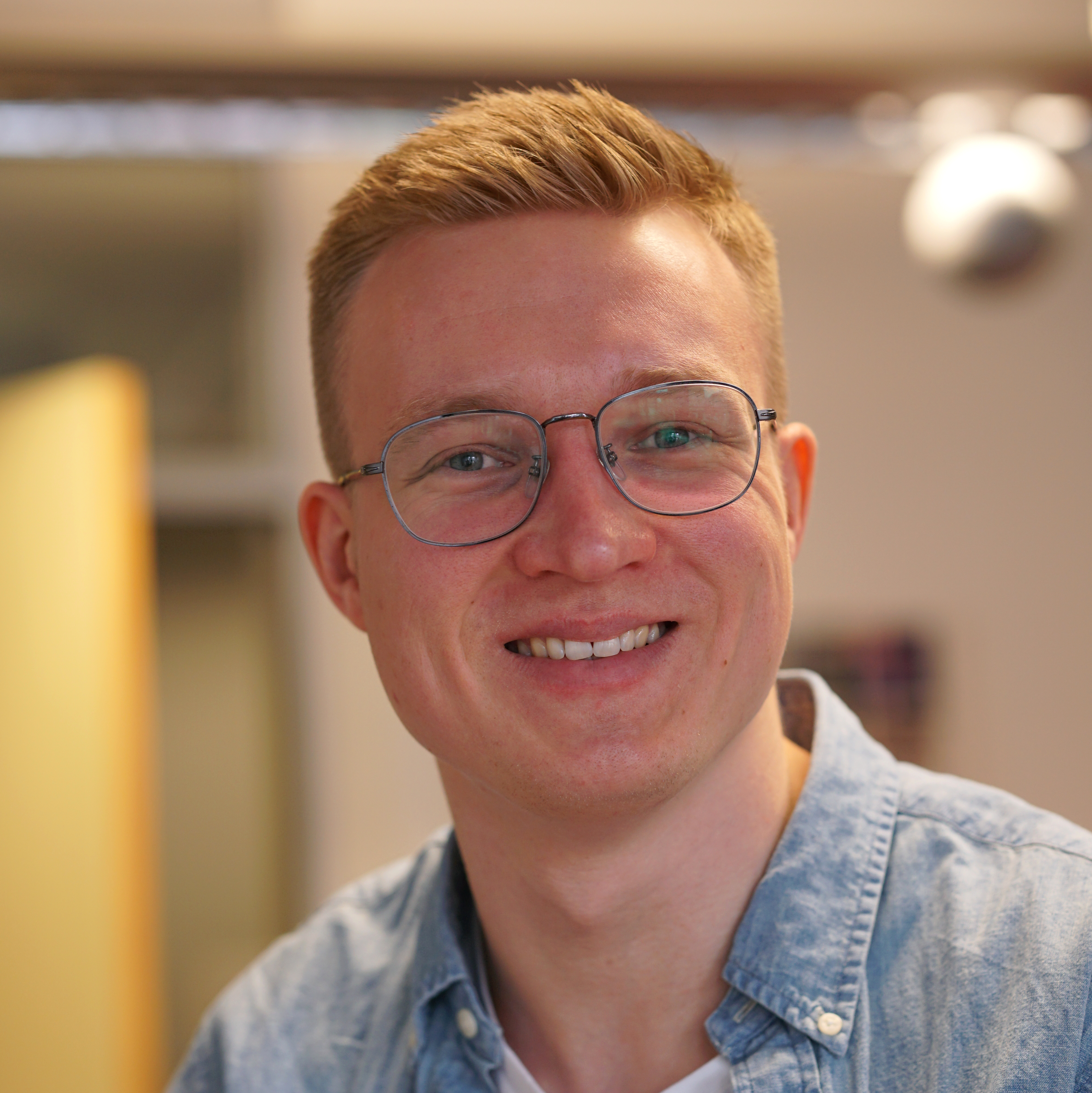
Colin Groth is a Postdoctoral Researcher at New York University in the Immersive Computing Lab led by Prof. Qi Sun. He received his MSc and Ph.D. in Computer Science from Technische Universität Braunschweig, Germany in 2020 and 2024 respectively. Currently, he was working as a Postdoc in the Computer Graphics group of Prof. Hans-Peter Seidel at Max Planck Institute for Informatics. His research interests include perceptual-driven techniques in VR, particularly for mitigating cybersickness. With his methods and research, he also likes to encourage cross-disciplinary collaboration and develop applications for real-time rendering, image processing, and augmented reality.
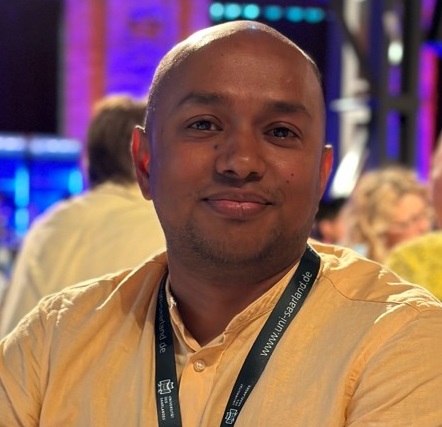
Bipul Mohanto is a PhD candidate in the Visual Computing research group at the University of Rostock, Germany. He holds a Master's degree in Computer Science from the University of Eastern Finland, Finland, and the University Jean Monnet, France (Erasmus Mundus). His research focuses on perception-driven rendering, real-time physically-based rendering and applied human perception.
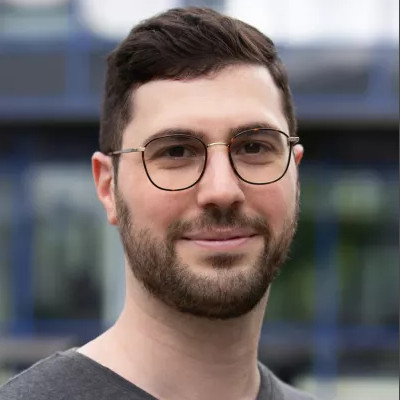
Japan
Alexander Marquardt is a JSPS Postdoctoral Fellow at the Nara Institute of Science and Technology in Japan. He received his MSc from Bonn-Rhein-Sieg University of Applied Sciences and his PhD in Computer Science from the University of Bremen in Germany. His research focuses on developing multisensory user interfaces that enhance interaction and perception in XR environments, aiming to improve user experience and system effectiveness. Alexander also explores the integration of AI technologies into immersive experiences, particularly how language models can enable more intuitive and context-aware interactions in virtual environments.
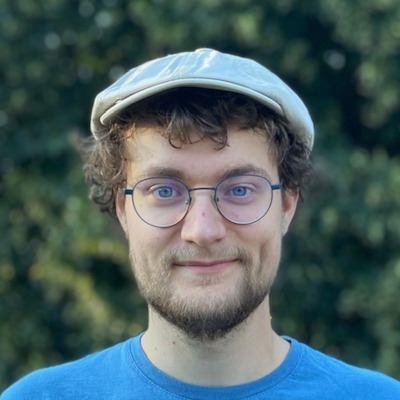
Saarbrücken, Germany
Corentin Salaün is a PhD student in Hans-Peter Seidel's computer graphics group at the Max Planck Institute in Germany. He holds a master's degree in computer science from the University of Rennes 1. His research focuses on perception-guided physically-based rendering for offline and real-time applications.

Praneeth Chakravarthula is an Assistant Professor of Computer Science at UNC Chapel Hill. His research interests lie at the intersection of optics, perception, graphics, optimization, and machine learning. Praneeth is a Senior Member of Optica, recipient of IEEE VR Best Dissertation Award, Timothy L. Quigg Inventor of the Year at UNC, and several Best Paper and Demo Awards. He completed his postdoctoral research at Princeton University, obtained PhD in computer science from UNC Chapel Hill, and B.Tech and M.Tech degrees in Electrical Engineering from IIT Madras.
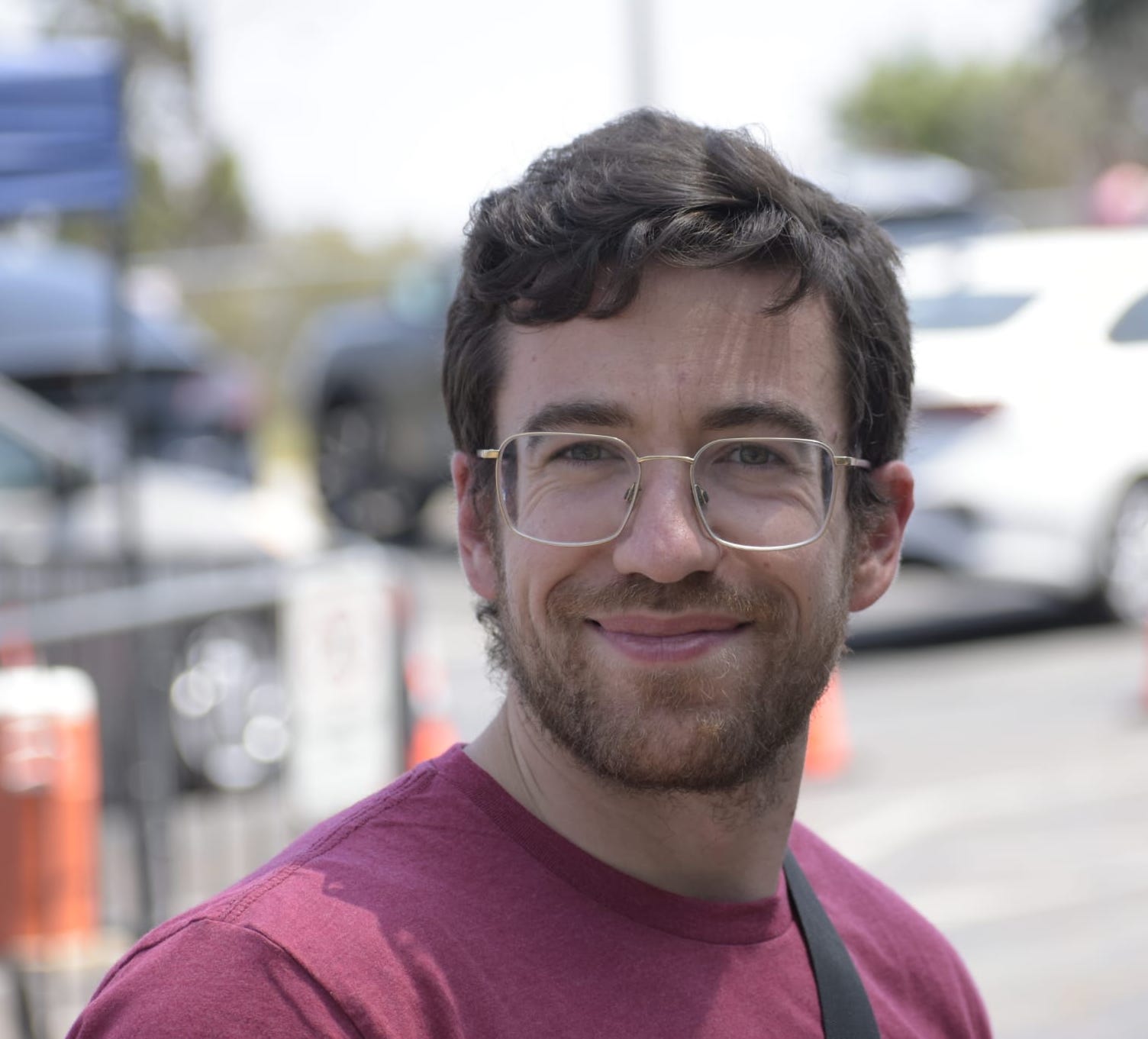
Zaragoza, Spain
Daniel is an assistant professor at Universidad de Zaragoza (Spain), where he got his PhD under the supervision of Prof. Belen Masia and Prof. Diego Gutierrez. His research mainly spans virtual reality and encompasses topics such as understanding and modeling visual attention and gaze behavior, multimodality, content generation, and studying diverse perceptual manipulations. During his PhD, he did two research stays at Adobe Research, one under the supervision of Dr. Xin Sun, and another one supervised by Dr. Aaron Hertzmann and Dr. Stephen DiVerdi, and one research stay at Meta Reality Labs Research, supervised by Dr. Michael Proulx. In 2024, he received the Spanish national SCIE-BBVA award for young researchers in computer science, and in 2025, the Best PhD Award from the Eurographics Spanish Chapter.
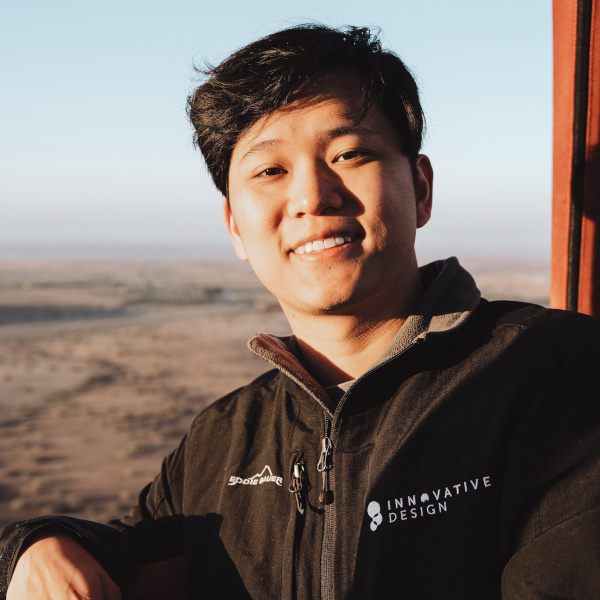
Kenneth Chen is a PhD student at New York University. He holds a master’s degree in computer science from the same institution, and a bachelor of arts in computer science from the University of California, Berkeley. His research interest is in applied visual perception with applications in computer graphics, computational displays, and generative AI.